Entry · Ref NLZOG9D0
Exploring Hash Concentrate Varieties: A Guide for Enthusiasts
- Posted
- 2026-10-16
- Last amended
- 2026-10-16
- Account
- @hashconcentratevarietiestalk
When I first started experimenting with cannabis concentrates, the sheer number of options felt overwhelming. Friends would toss around terms like "bubble hash" and "dry sieve" as if everyone instinctively knew the difference. Over time, I learned that each extraction method and source material creates a unique product with its own texture, potency, and ritual. Understanding hash concentrate varieties is not just about memorizing names; it is about recognizing how each one behaves under heat, how it tastes, and what kind of experience it delivers.
The world of hash and concentrates has expanded far beyond the classic bricks of pressed resin that older generations might remember. Today, you can find everything from translucent dabs to crumbly, aromatic powders. The market includes solventless options prized for purity, alongside solvent-based extracts that capture a broader spectrum of compounds. For anyone buying online, especially from a site like KushStation that offers bulk pricing, knowing these differences helps you choose what fits your style and budget.
What Are Hash Concentrates?
At its simplest, hash is the collected and compressed resin glands (trichomes) of the cannabis plant. Those glands contain the cannabinoids and terpenes that produce effects and flavor. Concentrates take that idea further by separating the desirable compounds from plant matter using mechanical or chemical means. The result is a product that can range from a soft, pliable block to a brittle shard, and from a light golden hue to deep coffee brown.
The term "hash concentrate varieties" covers a broad spectrum. On one end you have traditional hand-rubbed or sieved hash from regions like Afghanistan, Morocco, and Lebanon. On the other end you find modern extracts like rosin, BHO (butane hash oil), and CO2 oil. Each variety has its own production method, and those methods directly affect the final experience.
Traditional Hash: Afghan, Moroccan, and Lebanese
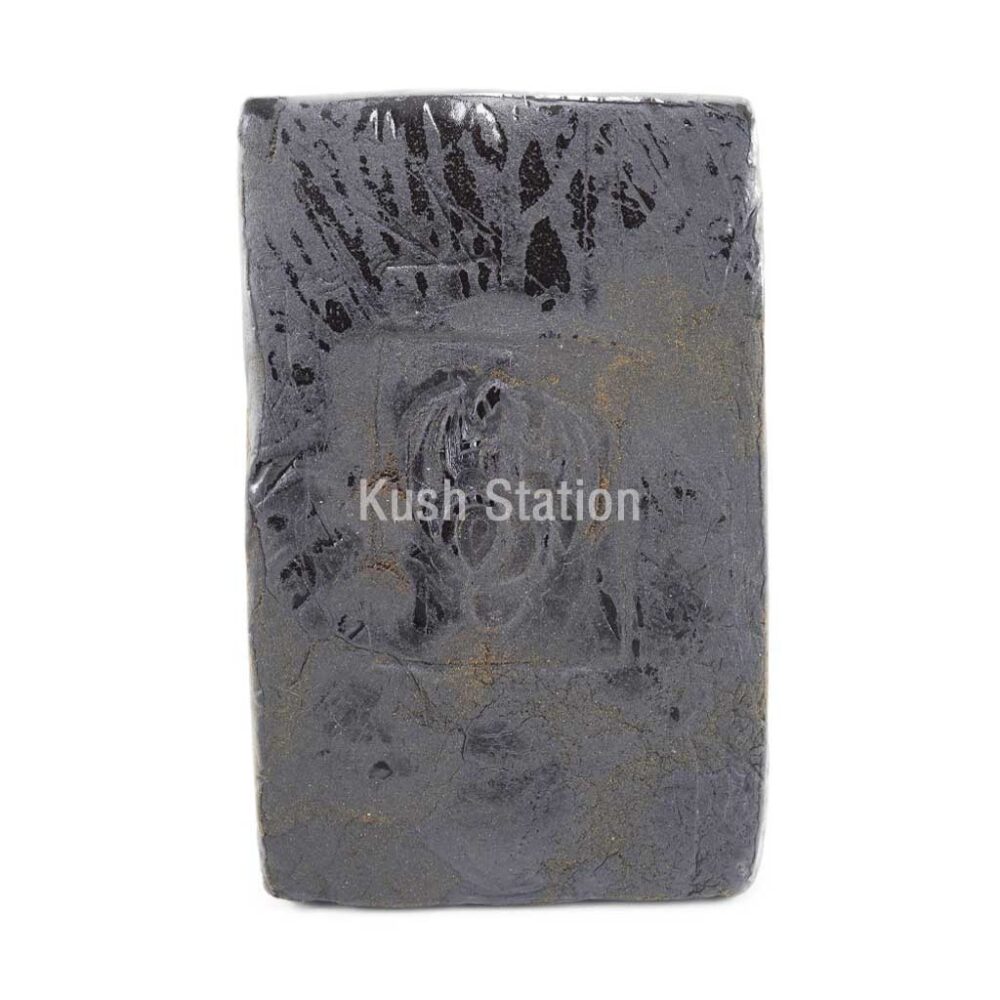
If you have ever handled a slab of Afghan hash, you know how different it feels from a crumbly Moroccan piece. Afghan hash tends to be dark, dense, and slightly sticky, with a rich, earthy aroma. It is traditionally made by rubbing the mature plants or sifting the dried flowers through fine screens. The result is a product that often melts into a dark, oily puddle when heated, releasing a heavy, sedating effect.
Moroccan hash, by contrast, is usually lighter in color and more crumbly. It is often made using dry sieve techniques, where dried cannabis is agitated over fine mesh to collect the kief. That kief is then pressed into bricks. Moroccan hash tends to burn more cleanly and offers a more balanced high, often described as uplifting but not overwhelming. The texture makes it easy to crumble into a joint or a pipe.
Lebanese hash sits somewhere between the two. It is often reddish or blonde, with a softer, more malleable consistency. Lebanese producers sometimes use a combination of sieving and light pressing, and the flavor can be spicy or floral. These traditional varieties are still widely available and beloved for their consistency and the cultural history behind them. They also serve as a great entry point for anyone new to hash concentrate varieties.
Modern Mechanical Separations: Bubble Hash and Dry Sieve
While traditional hash relies on simple screens and hand labor, modern methods have refined the process. Bubble hash is made through cold water extraction. The plant material is stirred in ice water, which makes the trichomes brittle and causes them to break off. The mixture is then filtered through a series of increasingly fine mesh bags. The resulting hash is often very pure, with a clean, neutral flavor that highlights the plant's natural terpenes. Bubble hash can range from a sandy powder to a pliable paste, depending on how it is dried and pressed. It is a favorite among connoisseurs who want to taste the specific profile of the cannabis strain without any solvent residue.
Dry sieve is a more traditional mechanical method that has been refined with modern equipment. High-quality dry sieve hash can be nearly as pure as bubble hash, but it retains more of the plant's natural waxy coating, which can affect how it melts. The best dry sieve is often called "full melt" because it leaves almost no ash when vaporized. That phrase is not just marketing; it describes a real quality level where the resin is so clean it turns entirely into vapor without leaving behind charred plant matter.
Solventless Extractions: Rosin and Hash Rosin
For those who prioritize purity and flavor, solventless extraction has become the gold standard. A rosin press uses heat and pressure to squeeze the resin out of flower or kief, producing a sticky, golden oil. When you start with high-quality hash as the input, you get hash rosin, which often has a more pronounced flavor and a thicker consistency than flower rosin. Hash rosin can be dabbed on a dab rig or used in a vaporizer. Because no solvents are involved, the final product contains only the compounds that were naturally present in the plant. Many people find that solventless extracts offer a cleaner, more nuanced flavor profile, though they can be more expensive due to the lower yields.
Solvent-Based Extracts: BHO and CO2 Oil
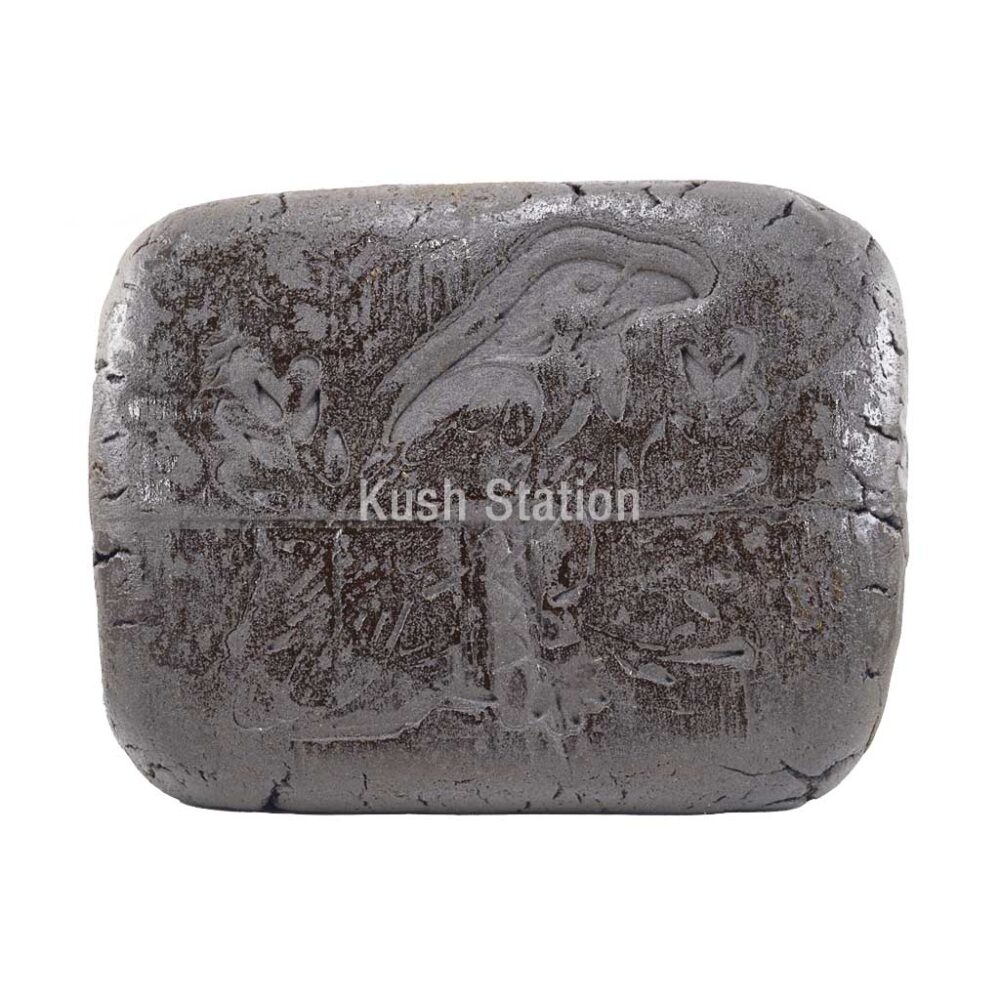
Not all concentrates are made without chemicals. BHO, or butane hash oil, is produced by soaking cannabis plant material in butane or another hydrocarbon solvent. The solvent dissolves the cannabinoids and terpenes, and then it is evaporated off, leaving behind a sticky, potent oil. BHO can be darker and less flavorful than solventless options, but it is often more affordable and still very effective. CO2 oil uses supercritical carbon dioxide as the solvent, which can be tuned to extract specific compounds. This method can yield a product that is very pure in terms of cannabinoid content, though it may lack some of the delicate terpenes that contribute to aroma. Both BHO and CO2 oil have their place, especially for those focused on potency or value.
Isolates and Crystals: CBD Isolate, THC-A, and Kief
On the more technical end, you have isolates like CBD isolate and THC-A. CBD isolate is a crystalline powder that contains almost no THC, making it popular for those seeking therapeutic effects without intoxication. THC-A is the acidic form of THC that is often found in raw plant material; it converts to THC when heated. These isolates are usually produced through sophisticated chemical separation and are not typically found in traditional hash forms. They are more common in the world of dabbing and in products designed for precise dosing.
Kief, on the other hand, is simply the collected trichomes that fall off cannabis flowers. It is the raw material for many hash varieties. Good kief can be pressed into hash or used as a topping for bowls and joints. Its quality depends entirely on the source plant and the cleanliness of the collection process.
How to Choose Among Hash Concentrate Varieties
With so many options, the right choice depends on your priorities. If you value tradition and a mellow, full-bodied experience, Afghan or Moroccan hash might be your go-to. If you want the purest flavor possible, look for solventless products like rosin or high-quality bubble hash. If you are on a budget or need high potency for a low price, BHO or CO2 oil can deliver. And if you are curious about the cutting edge, isolates like THC-A offer a glimpse into the future of concentrate consumption.
When buying from a retailer that offers bulk pricing, such as KushStation, it pays to understand these differences. Bulk purchases often make sense for people who use concentrates regularly, but only if the variety matches your preferred method of consumption. A dry sieve that works beautifully in a joint might not perform well in a dab rig, while a runny BHO could be messy to handle for traditional smoking.
Practical Tips for Handling and Storing Concentrates
Different hash concentrate varieties require different handling. Soft, sticky hashes like good Afghan or fresh bubble hash can be stored in parchment paper inside an airtight jar, away from heat and light. Hard, brittle hashes like some dry sieves or older Moroccan hash should be kept in a cool place to prevent them from drying out too much. Rosin and BHO are best kept in silicone containers or glass jars with minimal air space. Exposure to air and warmth degrades terpenes over time, so proper storage preserves flavor and potency.
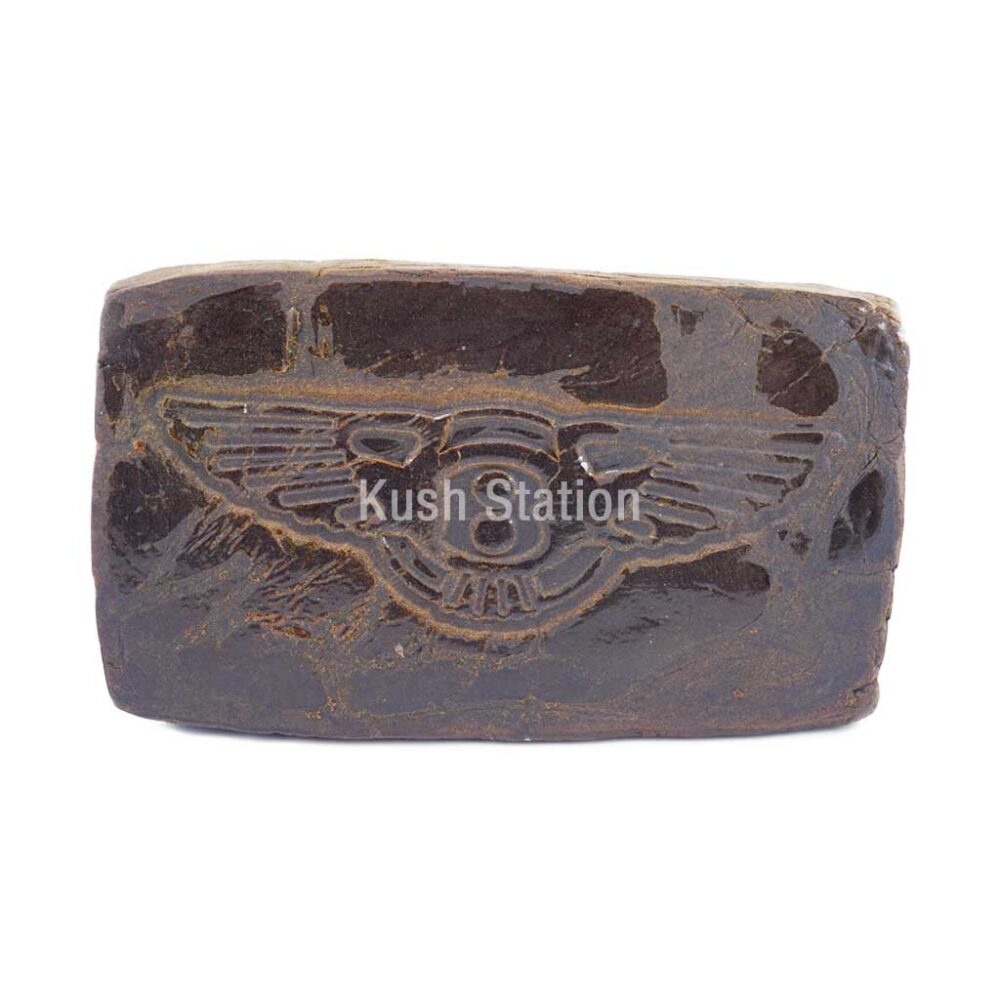
For consumption, a dab rig with a quartz banger is ideal for rosin and high-purity bubble hash. A vaporizer with a concentrate pad or a dedicated concentrate chamber works well for many varieties, especially if you want to avoid combustion. Traditional hash can be crumbled into a joint or a pipe, but you can also heat a small piece with a lighter and crumble it into tobacco or herb. The key is to match the consistency and melting point of the hash to your chosen method.
The Bottom Line
The range of hash concentrate varieties available today is remarkable. From the ancient techniques of Afghanistan and Morocco to the modern precision of rosin presses and CO2 extraction, there is something for every taste and budget. Understanding the differences between bubble hash, dry sieve, BHO, and solventless extracts allows you to make informed decisions, whether you are buying a gram to try or stocking up with bulk pricing. The more you know, the better you can appreciate the craft behind each form.